
Dental Bridges: Complete Guide for Missing Teeth Solutions
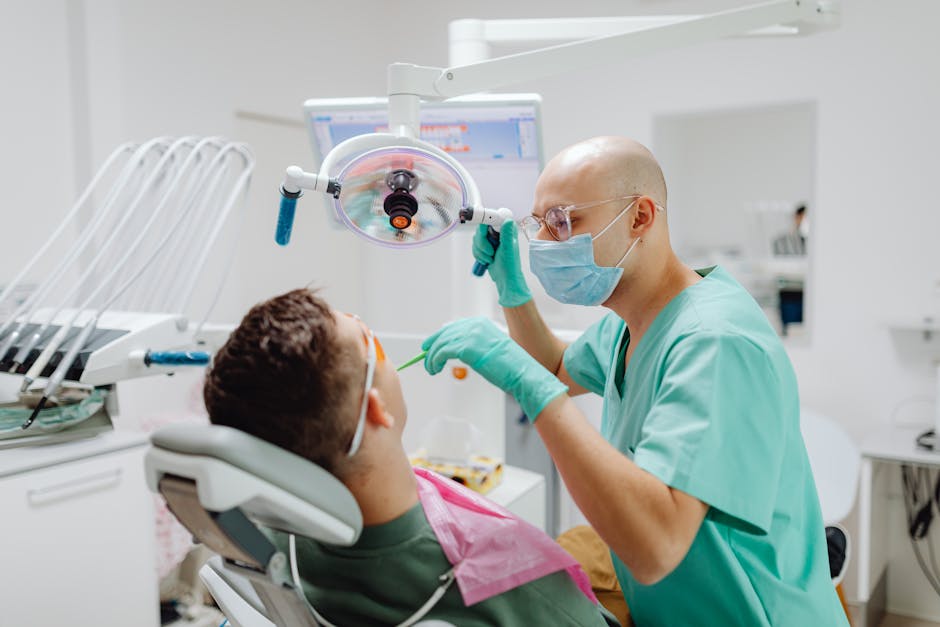
When you have missing teeth, it can really affect how you feel about your smile. Dental bridges offer a great way to fill those gaps and get your confidence back. Let's talk about what bridges are and how they might help you.
What Are Dental Bridges?
A dental bridge is basically a fake tooth (or teeth) that fills the space where you're missing teeth. Think of it like a bridge over water - it spans across the gap. The bridge gets support from the teeth on either side of the empty space.
These supporting teeth are called abutment teeth. Your dentist shapes them a bit so they can hold crowns. The fake tooth in the middle is called a pontic. The whole thing works together to give you back your complete smile.
Many patients in Milwaukee and Grafton have found bridges to be a reliable solution for missing teeth. They look natural and let you eat and speak normally again.
Different Types of Dental Bridges
There are several kinds of bridges, and your dentist will help you figure out which one works best for your situation.
Traditional bridges are the most common type. They use crowns on the teeth next to the gap to hold the replacement tooth. This works well when you have healthy teeth on both sides of the missing tooth.
Cantilever bridges attach to just one side. These work when you only have a healthy tooth on one side of the gap. They're less common but can be helpful in certain situations.
Maryland bridges use a metal or porcelain framework that bonds to the back of your existing teeth. This means less drilling of your natural teeth, which some people prefer.
Implant-supported bridges use dental implants instead of natural teeth for support. These are great when you're missing several teeth in a row.
The Bridge Process
Getting a bridge usually takes a few visits to our office. During your first visit, we'll examine your mouth and take X-rays to see if a bridge is right for you.
If we move forward, the next step involves preparing the supporting teeth. This means removing some enamel so the crowns fit properly. Don't worry - you'll get a temporary bridge to wear while your permanent one is being made.
We'll take impressions of your teeth so the lab can make your custom bridge. The color will match your other teeth perfectly. When it's ready, you'll come back to have it fitted and cemented in place.
The whole process might take a few weeks, but many of our patients in the Grafton and Milwaukee areas find the wait worth it for the results.
Taking Care of Your Bridge
Once you have your bridge, taking care of it is pretty straightforward. You'll brush and floss just like you do with your natural teeth, though you might need special floss threaders to clean under the bridge.
Regular dental visits are super important too. We can check to make sure everything looks good and catch any problems early. Most bridges last many years with good care.
Avoid really hard or sticky foods that might damage your bridge. Things like ice, hard candy, or really chewy caramel can cause problems. Your bridge is strong, but it's not indestructible.
Watch for any changes in how your bridge feels or looks. If something seems off, give us a call right away. Sometimes small problems are easy to fix if we catch them early.
Is a Bridge Right for You?
Bridges work well for many people, but they're not the only option for replacing missing teeth. Your dentist will look at your specific situation to help you decide.
Good candidates for bridges usually have healthy teeth next to the gap that can support the bridge. Your gums should be healthy too. If you have gum disease or other dental problems, we might need to take care of those first.
Some people prefer implants instead of bridges. Others might consider partial dentures. There's no one-size-fits-all answer, which is why it's important to talk with your dentist about what makes sense for you.
At Sweet Smiles Family Dentistry, we work with patients throughout the Milwaukee and Grafton areas to find the best solutions for their smiles.
Ready to learn more about whether a dental bridge might be right for you? We'd love to meet with you and discuss your options. You can call our Grafton office at (262) 377-0807 or our Milwaukee office at (414) 808-2003. You can also schedule your appointment online - whatever works best for you.
Frequently Asked Questions
How long do dental bridges typically last?
With proper care and regular dental visits, most bridges can last 10-15 years or even longer. The exact lifespan depends on your oral hygiene, diet, and other factors. Your dentist can give you a better idea based on your specific situation.
Will my bridge feel different from my natural teeth?
At first, your bridge might feel a little different, but most people get used to it pretty quickly. Once it's properly fitted, it should feel comfortable when you eat, speak, and smile. If it continues to feel uncomfortable, let your dentist know.
Can I eat normally with a dental bridge?
Yes, bridges are designed to let you eat most foods normally. You might want to avoid very hard or sticky foods that could damage the bridge. Start with softer foods right after getting your bridge, then gradually return to your normal diet as you get comfortable.
This article is for informational purposes only. Please consult your dentist for personalized advice.
About the Author
Dr. Praveena Muddana earned her dental degree at the New York University College of Dentistry and stays abreast of the latest developments in her field through continuing education coursework. Her offices in Milwaukee and Grafton offer general, restorative, cosmetic, and emergency dentistry. To schedule your next checkup, contact her online.