
Your Guide to Root Canal Treatment: What to Expect
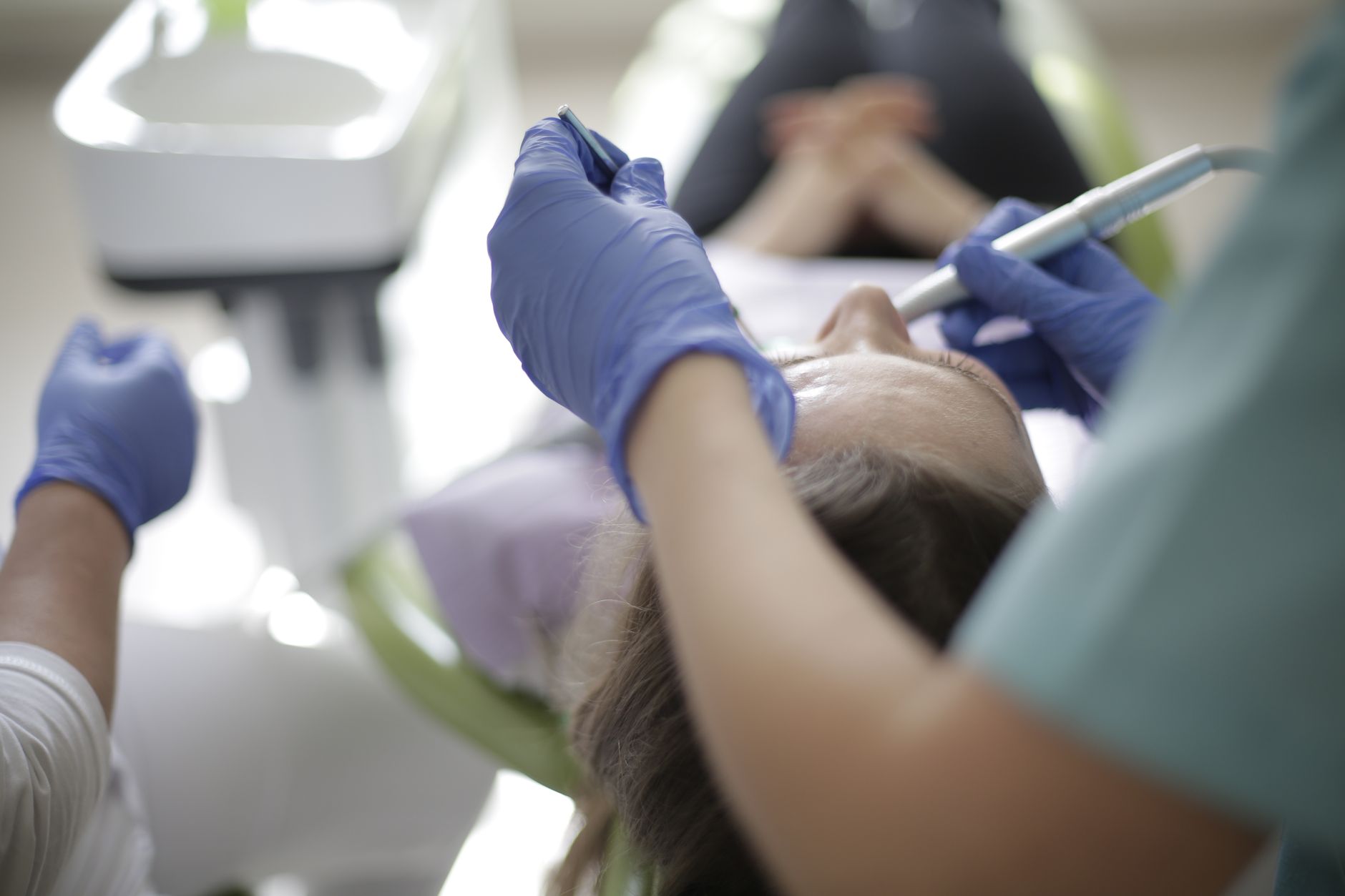
If your dentist mentions root canal treatment, you might feel a bit worried. That's totally normal! Many people have heard scary stories about this procedure. But here's the truth - modern root canal treatment is much more comfortable than you might think.
Let's talk about what root canal treatment really involves and why it might be the best way to save your tooth.
What Is Root Canal Treatment?
Root canal treatment is a way to fix a tooth that's badly infected or damaged inside. Every tooth has soft tissue called pulp in the center. This pulp contains nerves and blood vessels that help your tooth grow when you're young.
Sometimes this pulp gets infected because of:
- Deep decay that reaches the inside of your tooth
- A crack or chip that lets bacteria in
- Trauma from an accident or injury
- Multiple dental procedures on the same tooth
When the pulp gets infected, it can cause severe pain and swelling. Without treatment, the infection can spread and you might lose the tooth completely.
At Sweet Smiles Family Dentistry, we see patients from Milwaukee, Grafton, and surrounding areas who need this type of care. Our team makes sure you understand exactly what's happening every step of the way.
Signs You Might Need Root Canal Treatment
Your body usually gives you warning signs when something's wrong with a tooth. Here are some symptoms that might mean you need root canal treatment:
- Severe pain when you bite down or chew
- Pain that wakes you up at night
- Sensitivity to hot or cold that lasts after the temperature is gone
- Swelling in your gums or face
- A tooth that's gotten darker
- A pimple-like bump on your gums
Sometimes though, infected teeth don't hurt at all. That's why regular checkups are so important. Your dentist can spot problems before they cause pain.
If you're experiencing any of these symptoms in the Cedarburg, Mequon, Port Washington, or Thiensville areas, don't wait. The sooner you get treatment, the better chance we have of saving your tooth.
What Happens During Root Canal Treatment
The actual procedure is usually much easier than people expect. Here's what typically happens:
First, your dentist will make sure you're comfortable. They'll numb the area around your tooth so you should feel little to no pain during the treatment.
Next, they'll make a small opening in the top of your tooth. This gives them access to the infected pulp inside. Using special tiny instruments, they'll carefully remove the infected tissue and clean out the inside of your tooth.
After cleaning, they'll fill the space with a special material and seal the opening. Most teeth that need root canal treatment also need a crown afterward to protect them and make them strong again.
The whole process usually takes one or two visits, depending on your specific situation.
Recovery and What to Expect
After root canal treatment, you might feel some mild discomfort for a few days. This is normal and usually goes away pretty quickly. Your dentist will give you instructions on how to care for your tooth while it heals.
Here are some things that can help during recovery:
- Take any prescribed medications as directed
- Avoid chewing on that side until the permanent restoration is placed
- Keep the area clean with gentle brushing
- Don't eat really hard or sticky foods right away
Most people feel much better within a few days. The severe pain that brought you to the dentist in the first place should be gone.
It's important to come back for your follow-up appointments. If you need a crown, getting it placed quickly helps protect your tooth for the long term. In rare cases, additional treatment may be needed if the infection doesn't fully resolve — your dentist will monitor your healing at your follow-up visits.
Why Root Canal Treatment Is Worth It
Some people wonder if it's better to just remove the tooth instead. But saving your natural tooth is almost always the better choice when possible.
Your natural teeth work together as a team. When you lose one, the others have to work harder. This can lead to more problems down the road. Plus, replacing a missing tooth with an implant or bridge is usually more expensive and takes longer than root canal treatment.
A tooth that's had root canal treatment can last for many years with proper care. You can brush it, floss it, and chew with it just like your other teeth.
Don't let fear keep you from getting the care you need. If you're in Milwaukee, Grafton, or anywhere in between, our team is here to help make your experience as comfortable as possible.
Ready to take care of your dental health? You can book an appointment at our Grafton office by calling (262) 377-0807 or reach our Milwaukee location at (414) 808-2003. You can also schedule online for your convenience.
Frequently Asked Questions
Q: Is root canal treatment really painful?
A: Modern root canal treatment is much more comfortable than people think. Your dentist will numb the area, so most patients feel little to no pain during the procedure — some pressure is normal. Most patients say the relief from getting rid of the infection is worth any mild discomfort afterward.
Q: How long does a tooth last after root canal treatment?
A: With proper care and a good restoration like a crown, a tooth that's had root canal treatment can last for many years - sometimes even a lifetime. Regular checkups and good oral hygiene help ensure the best outcome.
Q: Can I eat normally after root canal treatment?
A: You'll need to be careful for the first few days, especially before your permanent restoration is placed. Avoid chewing on that side and stick to softer foods initially. Once your tooth is fully restored, you can eat normally again.
This article is for informational purposes only. Please consult your dentist for personalized advice.
About the Author
Dr. Praveena Muddana earned her dental degree at the New York University College of Dentistry and stays abreast of the latest developments in her field through continuing education coursework. She is proud to be a member of the American Dental Association, the Wisconsin Dental Association, and the American Academy of Cosmetic Dentistry. Her offices in Milwaukee and Grafton offer general, restorative, cosmetic, and emergency dentistry. To schedule your next checkup, contact her online.