
Tooth Extraction: When You Need One and What to Expect
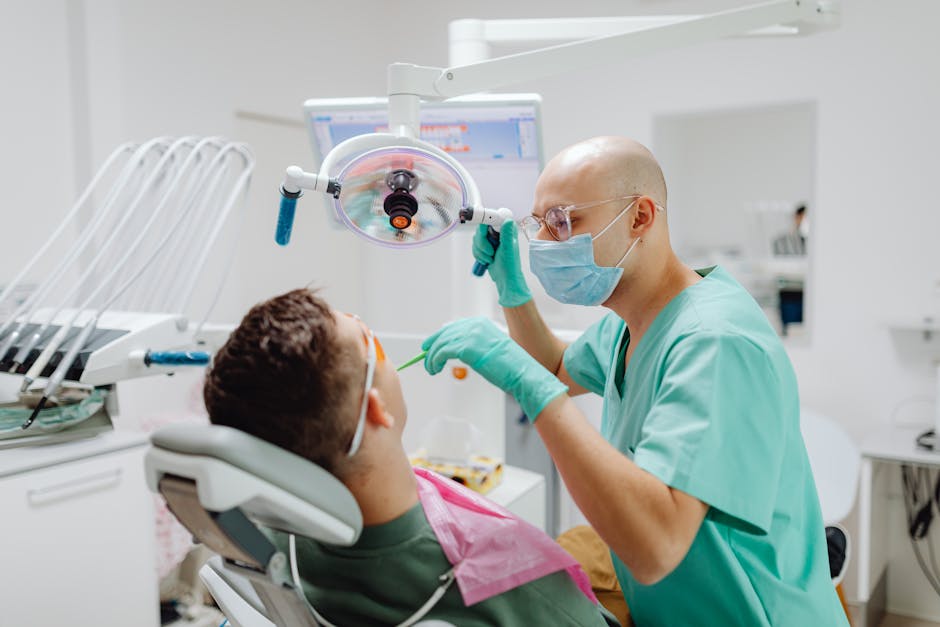
Nobody really wants to hear they need a tooth extraction. But sometimes, removing a tooth is the best way to protect your overall oral health. At Sweet Smiles Family Dentistry, we see patients from Milwaukee, Grafton, Cedarburg, and throughout southeastern Wisconsin who need extractions for different reasons.
The good news? Modern dentistry has made tooth extractions much more comfortable than you might think. Let's talk about when you might need an extraction and what the process looks like.
Why You Might Need a Tooth Extraction
There are several reasons why your dentist might recommend removing a tooth. Sometimes a tooth is too damaged to save, even with other treatments. This can happen when decay has gone too deep or when an injury has broken the tooth badly.
Gum disease can also lead to extractions. When the tissues and bones that hold your teeth in place get severely damaged, teeth can become loose. In these cases, removing the tooth might be the healthiest option.
Crowding is another common reason for extractions. If your mouth doesn't have enough room for all your teeth, removing some might help the others align better. This is pretty common before getting braces.
Wisdom teeth extractions are probably the most well-known type. These back molars often don't have enough room to come in properly. When they get stuck or come in crooked, they can cause pain and other problems.
Sometimes teeth need to come out before other dental work. If you're getting dentures or certain other treatments, extractions might be part of your overall treatment plan.
Different Types of Tooth Extractions
Not all extractions are the same. There are two main types, and which one you need depends on your specific situation.
Simple extractions are for teeth that are visible in your mouth. Your dentist can see the whole tooth and remove it with special tools. These are usually pretty straightforward.
Surgical extractions are more complex. They're needed when a tooth is broken off at the gum line or hasn't come through the gums yet. Wisdom teeth often need surgical extractions.
Your dentist will explain which type you need and what that means for your specific case. Every situation is different, so it's important to ask questions if you're not sure about something.
What Happens During an Extraction
Before any extraction, your dentist will take X-rays to see exactly what's going on with your tooth and the surrounding area. They'll also review your medical history and any medications you're taking.
The area around your tooth will be numbed so you don't feel pain during the procedure. You might feel some pressure, but most patients don't feel sharp pain. Everyone's experience is different — if you feel anything that concerns you, let your dentist know right away.
For simple extractions, your dentist will loosen the tooth and then remove it. For surgical extractions, they might need to make a small cut in your gum to reach the tooth.
The whole process usually doesn't take very long, though surgical extractions can take a bit more time. Your dentist will let you know what to expect for your specific situation.
Taking Care of Yourself After an Extraction
The first day or two after an extraction are the most important for healing. Your dentist will give you specific instructions, but here are some general things to keep in mind.
You'll want to rest and avoid strenuous activities for at least 24 hours. This helps prevent bleeding and gives your mouth time to start healing.
Don't use straws or spit forcefully. This can dislodge the blood clot that forms in the socket, which is an important part of healing.
Stick to soft foods for the first few days. Things like yogurt, soup, and mashed potatoes are good choices. Avoid hot foods and drinks right after the extraction.
Keep the area clean, but be gentle. Your dentist will tell you exactly how to clean around the extraction site.
Some swelling and discomfort are normal after an extraction. Your dentist will give you instructions on how to manage this.
When to Call Your Dentist
Most people heal well after extractions, but it's important to know when to call your dentist. If you have severe pain that doesn't get better with the care instructions you were given, that's worth a phone call.
Heavy bleeding that doesn't stop is another reason to contact your dental office. A little bit of bleeding is normal, but it shouldn't be constant or heavy.
Signs of infection like fever, increasing pain, or bad taste in your mouth should also prompt a call to your dentist.
At Sweet Smiles Family Dentistry, we're always here to help our patients in Milwaukee, Grafton, and the surrounding areas. If you have concerns after an extraction, don't hesitate to reach out.
If you think you might need a tooth extraction or have been putting off dental care, we'd love to see you. We accept Medicaid and work with patients to make dental care accessible. You can reach our Grafton office at (262) 377-0807 or our Milwaukee office at (414) 808-2003. You can also request an appointment online.
Frequently Asked Questions
How long does it take to heal after a tooth extraction?
Healing time varies, but most people feel much better within a few days to a week. Complete healing of the socket can take several weeks. Your dentist will give you a timeline based on your specific situation. Keep in mind that every patient heals differently depending on overall health, the complexity of the extraction, and how closely post-op instructions are followed.
Can I go back to work the next day after an extraction?
This depends on the type of extraction and your job. Many people can return to desk work the next day, but you might want to avoid physical labor for a few days. Talk to your dentist about your specific situation.
What can I eat after having a tooth pulled?
Stick to soft foods for the first few days. Cold foods like ice cream can actually feel good and help with swelling, unless your dentist advises otherwise based on your specific situation. Avoid hot foods, crunchy foods, and anything that requires a lot of chewing until your dentist says it's okay.
This article is for informational purposes only. Please consult your dentist for personalized advice.
About the Author
Dr. Praveena Muddana earned her dental degree at the New York University College of Dentistry and stays abreast of the latest developments in her field through continuing education coursework. Her offices in Milwaukee and Grafton offer general, restorative, cosmetic, and emergency dentistry. To schedule your next checkup, contact her online.