
Implant Failure And Salvage
Preserving Your Restored Smile
Dental implants boast an astonishing success rate; they thrive in more than 95% of cases! Still, there are instances where a failed dental implant can occur. If you ever suspect that is happening to you, call us right away. We will do everything we can to get your oral health back on track and allow you to continue enjoying all the benefits of your replacement teeth. Read on below to learn more about why dental implant failure and salvage in Grafton, WI, how you can recognize the symptoms of a failed dental implant, and possible treatment options.
Why Do Dental Implants Fail?
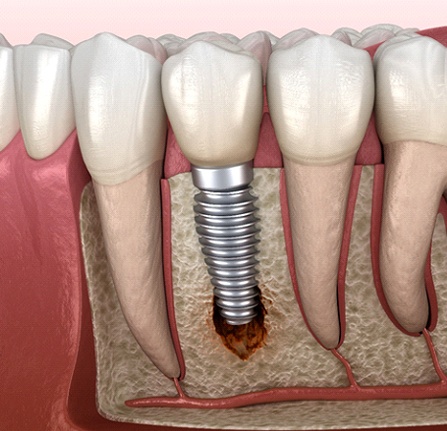
Peri-implantitis, an infection of the tissue around a dental implant, is the most common cause of implant failure. It can damage the gums and jawbone so much that they are no longer able to support the prosthetic teeth. Poor oral hygiene is often a big contributor to the development of peri-implantitis.
Other possible causes of dental implant failure include failed osseointegration (the implant never bonds with the surrounding jawbone), certain medical conditions, and physical trauma.
Symptoms of Failed Dental Implants

Dental implant failure can occur at any time, whether it is weeks, months, or even decades after the initial surgery. You should always be on the lookout for the following symptoms:
- Some discomfort is normal during the initial recovery period after implant placement. However, severe or lingering pain may signal a problem.
- Difficulty chewing. After you get used to using your restored teeth, it should be easy for you to eat virtually anything. Problems in this area indicate a need for care.
- Signs of infection. Pus, red gums, swollen gums, and receding gums are all common signs of peri-implantitis.
- A loose implant. In some cases, a loose-feeling implant indicates a problem with a restoration. In other cases, the implant itself is in jeopardy.
How Dental Implant Salvage Works
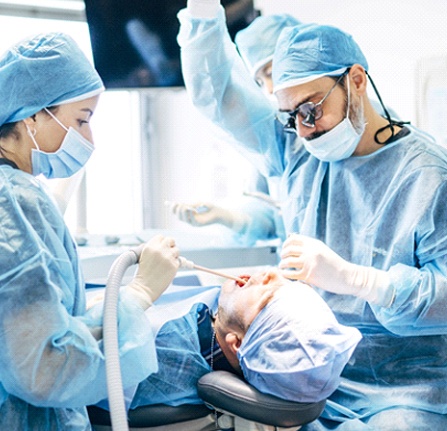
If you ever believe that one of your dental implants in Grafton is failing, call us right away. Delaying treatment only allows problems the opportunity to worsen and decreases the chances that we can remedy the issue with conservative treatment.
When you come in for your appointment, we will assess the situation and recommend your next steps. You might need something as simple as antibiotic therapy or a new restoration. However, it is also possible that we will have to remove a failed implant, perform some restorative procedures, and place a new implant after you have had some time to heal.